Is this guide for you?
- Espresso, americano or flat white is your primary daily drink
- You want to understand the difference between pod, bean-to-cup and manual espresso
- You are considering a Sage Barista Express and want to know if it is worth it
- Coffee quality matters more to you than convenience
Jump to a section
Quick verdict
If you want the shortest route to the right choice, start here.
- Prioritise level of control: pod convenience, automatic bean-to-cup, or manual espresso with a grinder.
- Prioritise time investment: pod is instant, bean-to-cup auto needs 1 min, manual needs 3-5 min per shot.
- Prioritise budget from £85 (Nespresso) to £500+ (Sage Barista Express).
Best options at a glance
These options cover the most common buying paths for espresso: a strongest baseline fit, a value route, a premium upgrade and alternatives with different milk or control preferences.
Recommendation #1
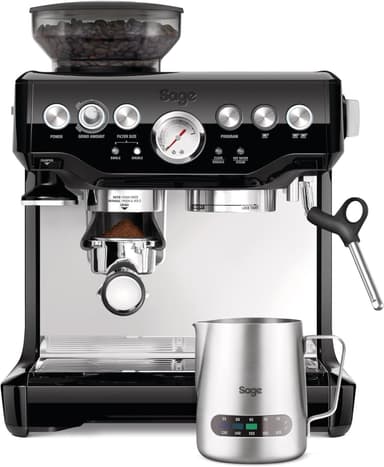
Sage Sage Barista Express BES875BKS
Best for barista-quality espresso with full manual control.
You texture the milk yourself using a manual steam wand.
Approx. £479.95/item
View on AmazonRecommendation #2
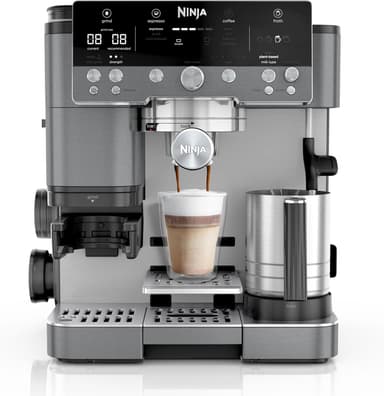
Ninja Ninja Luxe Cafe Bean-to-Cup ES601UKGM
Best for barista-quality espresso with full manual control.
The steam system textures milk automatically; you may still need to pour the textured milk.
Approx. £541.61/item
View on AmazonRecommendation #3
Sage Sage Bambino Plus BES500BTR
Best for barista-quality espresso with full manual control.
The steam system textures milk automatically; you may still need to pour the textured milk.
Approx. £399.95/item
View on AmazonRecommendation #4
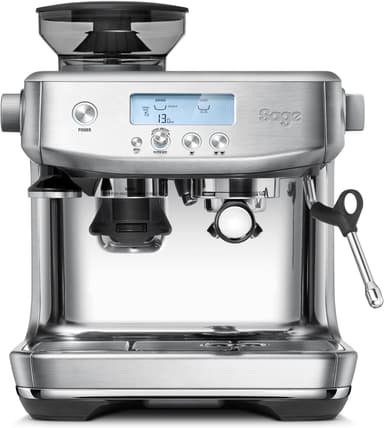
Sage Sage Barista Pro SES878BSS
Best for barista-quality espresso with full manual control.
You texture the milk yourself using a manual steam wand.
Approx. £479/item
View on AmazonRecommendation #5
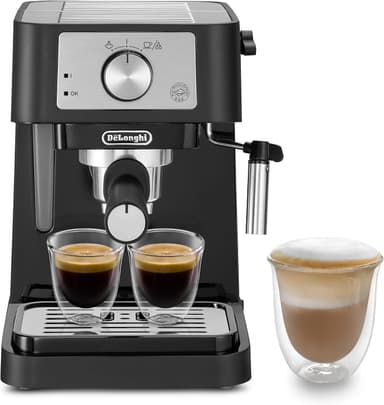
De'Longhi De'Longhi Stilosa Manual Espresso EC260.BK
Best for barista-quality espresso with full manual control.
You texture the milk yourself using a manual steam wand.
Approx. £99/item
View on AmazonHow we ranked these options
We compare manufacturer specifications, retailer listing information, guide prices and product features against the needs this guide covers. The ranking is an editorial assessment of fit, not a claim of hands-on testing or a retailer rating.
- Level of control: pod convenience, automatic bean-to-cup, or manual espresso with a grinder
- Time investment: pod is instant, bean-to-cup auto needs 1 min, manual needs 3-5 min per shot
- Budget from £85 (Nespresso) to £500+ (Sage Barista Express)
Quick Buy
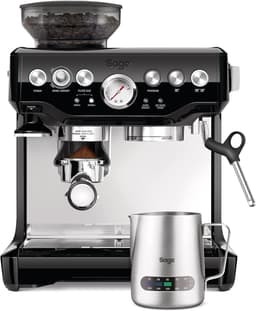
Sage Sage Barista Express BES875BKS
Built-in grinder plus manual steam wand — the highest espresso quality ceiling at home.
The Barista Express pairs a conical burr grinder with manual espresso for the highest home espresso quality ceiling available.
Approx. £479.95/item
Read full guide for this topic →View on AmazonWant the full coffee-machine overview?
If you want to compare the whole landscape before reading a specific guide, start with our central best coffee-machine page.
Read: Best CoffeeMachine guide →How the matching quiz works
- Answer a few quick questions about how you make coffee
- We match against our catalogue using machine type, milk system, ease of use and budget
- Get a shortlist with reasons — not a single pushed product
Espresso extraction: what actually matters
A good espresso requires four things in the right balance: grind size (too coarse = weak; too fine = bitter), dose (typically 18-20g for a double), brew temperature (92-96°C), and pressure (9 bar ideal). Pod machines fix all four parameters for you — consistency at the cost of control. Bean-to-cup machines fix three and let you adjust grind coarseness. Manual machines let you control all four, which gives the highest ceiling but requires learning.
Espresso quality by machine type
Pod machines (Nespresso Original Line)
Nespresso Original uses pre-dosed capsules for espresso and lungo. It is a convenient option for people who want a repeatable pod-based espresso routine without a separate grinder.
Bean-to-cup automatic (De'Longhi Magnifica S, Philips 5400)
These machines grind whole beans and brew automatically. They suit people who want freshly ground coffee with less manual preparation, while the milk workflow varies by model.
Manual espresso with grinder (Sage Barista Express, Barista Pro)
Manual espresso machines give you control over grinding, dosing and milk preparation. They suit people who want a hands-on espresso routine and are willing to learn the workflow.
Is the Sage Barista Express worth the price?
The Barista Express combines a built-in grinder with manual espresso preparation and a manual steam wand. It is most suitable when you want direct control over your espresso routine and are prepared to learn how its settings affect the result.
Ready to skip the research?
Answer a few quick questions and we'll match you to coffee machines that fit your drink style, milk preference and budget.
Start the 2-minute quizWhat our quiz looks at
- Level of control: pod convenience, automatic bean-to-cup, or manual espresso with a grinder
- Time investment: pod is instant, bean-to-cup auto needs 1 min, manual needs 3-5 min per shot
- Budget from £85 (Nespresso) to £500+ (Sage Barista Express)
- Whether you want to develop espresso-making as a skill
- Milk system needs (or lack of them)
- Bean quality matters — better beans improve all machine types
Frequently asked questions
What is the best home coffee machine for espresso in the UK?
For maximum quality: Sage Barista Express (manual control, built-in grinder). For fresh-ground without manual technique: De'Longhi Magnifica S or Philips 5400. For convenience without compromise on consistency: Nespresso Original Line (Essenza Mini or Citiz). Match your choice to how much daily time and effort you want to invest.
Do you need a grinder to make good espresso?
Not necessarily. Nespresso Original pods produce good espresso without a grinder because the coffee is pre-dosed and sealed fresh. If you want to use your own beans, yes — a burr grinder significantly outperforms pre-ground coffee for espresso extraction. Bean-to-cup machines have the grinder built in.
Is 15 bar or 19 bar better for espresso?
This is one of the most misleading spec numbers in the coffee machine market. Ideal espresso extraction pressure is 9 bar. Machines rated at 15 or 19 bar use a pump that can reach that pressure but regulate down to 9 bar at the brew head. A machine claiming higher bar pressure is not necessarily making better espresso.
What is the difference between espresso and americano?
Espresso is a concentrated 25-30ml shot extracted under pressure. Americano is an espresso diluted with hot water (typically 1 part espresso to 2-3 parts water) to produce a longer drink similar in volume to filter coffee but with a different flavour profile. Most espresso machines also have a hot water dispenser for americano.
How long does it take to learn to use a Sage Barista Express?
Most people produce a drinkable espresso on day one but a genuinely dialled-in shot takes 1-2 weeks of daily practice. The grind size is the main variable to master — too coarse and the shot runs too fast and tastes weak; too fine and it runs too slow and tastes bitter. There are many step-by-step guides on YouTube specifically for the Barista Express.
Last reviewed: 5 September 2026. We update this guide when our verified coffee-machine catalogue changes.