Is this guide for you?
- You want freshly-ground coffee every time without a manual grinding routine
- You currently use pods but find the flavour disappointing
- You want one machine that makes espresso, americano and milk drinks automatically
- You are willing to spend more upfront for lower running costs per cup
Jump to a section
Quick verdict
If you want the shortest route to the right choice, start here.
- Prioritise milk system type: manual wand vs automatic frother.
- Prioritise price tier: entry, mid or premium.
- Prioritise grinder quality and grind settings.
Best options at a glance
These options cover the most common buying paths for bean-to-cup: a strongest baseline fit, a value route, a premium upgrade and alternatives with different milk or control preferences.
Recommendation #1
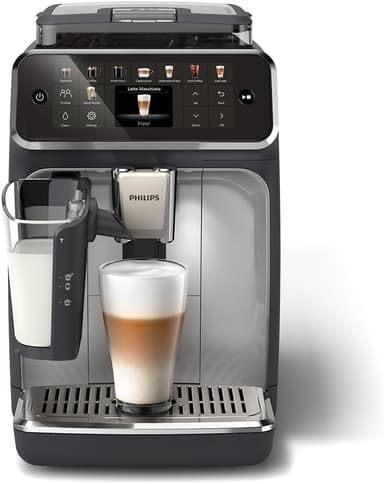
Philips Philips 5400 Series LatteGo EP5446/70
Best for fresh-ground coffee made automatically at the press of a button.
Included for freshly-ground coffee in every cup without manual grinding.
Approx. £492.53/item
View on AmazonRecommendation #2
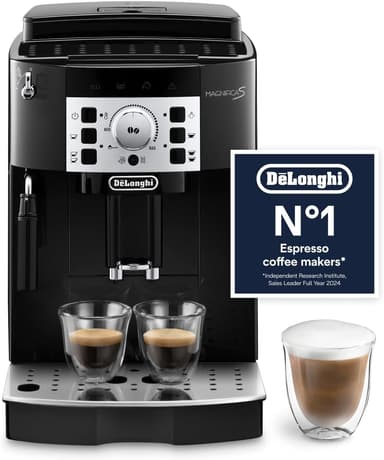
De'Longhi De'Longhi Magnifica S ECAM22.110.B
Best for fresh-ground coffee made automatically at the press of a button.
Included for freshly-ground coffee in every cup without manual grinding.
Approx. £266.37/item
View on AmazonRecommendation #3
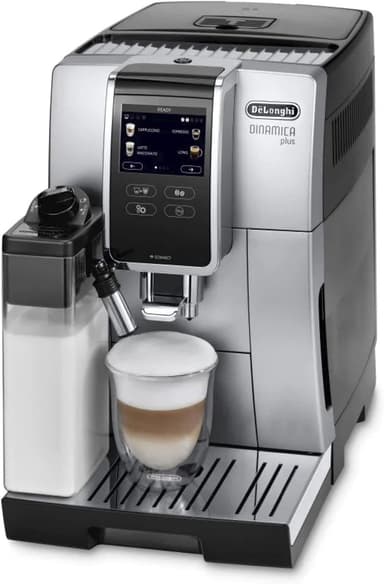
De'Longhi De'Longhi Dinamica Plus ECAM370.85.SB
Best for fresh-ground coffee made automatically at the press of a button.
Included for freshly-ground coffee in every cup without manual grinding.
Approx. £1209.46/item
View on AmazonRecommendation #4
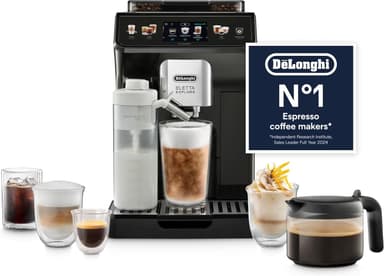
De'Longhi De'Longhi Eletta Explore Cold Brew ECAM452.67.G
Best for fresh-ground coffee made automatically at the press of a button.
Included for freshly-ground coffee in every cup without manual grinding.
Approx. £889.15/item
View on AmazonRecommendation #5
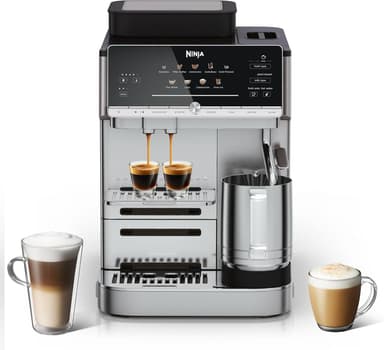
Ninja Ninja AutoBarista AE1001UK
Best for fresh-ground coffee made automatically at the press of a button.
Included for freshly-ground coffee in every cup without manual grinding.
Approx. £799/item
View on AmazonHow we ranked these options
We compare manufacturer specifications, retailer listing information, guide prices and product features against the needs this guide covers. The ranking is an editorial assessment of fit, not a claim of hands-on testing or a retailer rating.
- Milk system type: manual wand vs automatic frother
- Price tier: entry, mid or premium
- Grinder quality and grind settings
Quick Buy
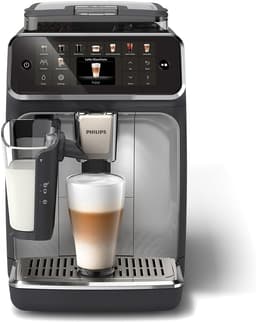
Philips Philips 5400 Series LatteGo EP5446/70
Automatic bean-to-cup machine with LatteGo milk preparation for convenient everyday milk drinks.
The Philips 5400 LatteGo combines an adjustable grinder with automatic milk preparation and a dishwasher-safe two-part milk system.
Approx. £492.53/item
Read full guide for this topic →View on AmazonWant the full coffee-machine overview?
If you want to compare the whole landscape before reading a specific guide, start with our central best coffee-machine page.
Read: Best CoffeeMachine guide →How the matching quiz works
- Answer a few quick questions about how you make coffee
- We match against our catalogue using machine type, milk system, ease of use and budget
- Get a shortlist with reasons — not a single pushed product
What makes bean-to-cup different from other coffee machines
Bean-to-cup machines combine a burr grinder, brewing unit and (often) milk system in one chassis. You fill the hopper with beans, press a button, and the machine does the rest. The key advantage over pods is freshness — ground coffee starts losing flavour-active compounds within minutes of grinding, so a bean-to-cup cup is measurably fresher than any pre-ground pod. The trade-off is size, complexity and a higher upfront cost.
Manual steam wand vs automatic milk frothing
This is the biggest decision in the bean-to-cup category. Manual steam wands (found on the De'Longhi Magnifica S and Sage Barista Express) require you to froth milk yourself — this takes practice but gives full control over texture. Automatic milk systems (Philips LatteGo, De'Longhi LatteCrema, Ninja AutoBarista) froth and dispense milk at the touch of a button. If you mainly drink lattes and cappuccinos and want them fast, automatic is the better choice.
Manual wand — best for espresso enthusiasts
The Magnifica S ECAM22.110 and Sage Barista Express both use manual steam wands. You place a milk jug under the wand, turn a dial or lever, and texture the milk by hand. Proper microfoam takes 5-10 minutes of daily practice to nail consistently. The reward is cafe-quality flat whites and latte art — something fully automatic systems struggle to match.
Automatic frother — best for busy households
The Philips 5400 LatteGo, De'Longhi Dinamica Plus and Ninja AutoBarista all froth milk automatically. You fill the milk container, press a button, and a perfectly-textured cappuccino or latte is dispensed. Cleaning varies: the Philips LatteGo system is widely regarded as the simplest (two parts, fully dishwasher safe). De'Longhi LatteCrema produces slightly richer foam but has more components to rinse.
Bean-to-cup price tiers in the UK
The market splits cleanly into three tiers. Understanding what each tier buys helps you avoid overpaying for features you will not use — or underspending and being disappointed.
Entry level: £200–£350 (De'Longhi Magnifica S, Autentica)
These machines grind and brew automatically but use manual steam wands for milk. Build quality and grinder longevity are slightly lower than mid and premium. They suit households who want fresh-ground coffee and are comfortable frothing milk manually.
Mid range: £450–£600 (Philips 5400 and similar automatic machines)
This tier includes machines with automatic milk systems, adjustable grinders and a wider range of drink options. The Philips 5400 LatteGo is a bean-to-cup option with automatic milk preparation. Compare the available drink programs and cleaning requirements before choosing.
Premium: £600+ (De'Longhi Dinamica Plus, Eletta Explore and Ninja AutoBarista)
Premium machines can add touchscreens, app connectivity, cold-drink programs and larger bean hoppers. Only pay for these extras when they match the drinks and convenience you will actually use.
Common mistakes when buying bean-to-cup
Buying on bean hopper size alone
A 250g hopper holds roughly 25-30 double espresso doses. For a two-person household drinking two cups each per day, that is about a week of coffee. Prioritise grinder quality and milk system type over hopper size.
Underestimating cleaning time
Bean-to-cup machines need daily rinsing of the milk system, weekly descaling reminders, and occasional brew unit cleaning. Budget 2-3 minutes per day. Machines with dishwasher-safe milk parts save significant time over the machine's lifespan.
Ready to skip the research?
Answer a few quick questions and we'll match you to coffee machines that fit your drink style, milk preference and budget.
Start the 2-minute quizWhat our quiz looks at
- Milk system type: manual wand vs automatic frother
- Price tier: entry, mid or premium
- Grinder quality and grind settings
- Daily cleaning time required
- Number of drink programs and customisation options
- Bean hopper capacity and ease of refilling
Frequently asked questions
Are bean-to-cup machines worth it?
For anyone who drinks 2+ cups of coffee per day and values flavour, yes. The per-cup cost is lower than pods (roughly 15-25p per cup in beans vs 30-50p per Nespresso pod), and the flavour is measurably fresher. The upfront cost is higher, but it pays back over 12-18 months for regular drinkers.
How much maintenance do bean-to-cup machines need?
Daily: rinse the milk system (1-2 minutes). Weekly: empty and rinse the drip tray and grounds container. Monthly: descale when prompted (15-20 minutes with a descaling tablet). Machines with dishwasher-safe milk parts reduce this significantly.
What beans should I use in a bean-to-cup machine?
Any whole roasted coffee bean works. Medium roast beans are the most forgiving for everyday use. Avoid very dark oily roasts in machines with ceramic burr grinders as the oil can clog the grinder over time. Supermarket own-brand beans (Tesco, Sainsbury's Taste the Difference) offer good value for daily use.
Can bean-to-cup machines make filter-style coffee?
Most bean-to-cup machines can make americano (espresso diluted with hot water) which tastes similar to filter coffee. Some models (Ninja Luxe Cafe, Ninja AutoBarista) also have a dedicated filter/batch brew setting that produces genuine drip-style coffee in a larger volume.
What is the difference between the Philips 5400 and De'Longhi Magnifica S?
The Philips 5400 has a fully automatic LatteGo milk system (press a button for a latte), making it easier for milk drinks. The De'Longhi Magnifica S uses a manual steam wand, meaning you froth milk by hand. The Magnifica S costs less; the Philips 5400 saves more daily time. Both grind fresh beans for every cup.
Last reviewed: 5 September 2026. We update this guide when our verified coffee-machine catalogue changes.